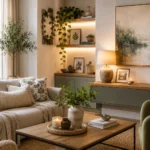

There was a time when a home was simply a shelter — four walls and a roof to keep the weather out. Today, our homes are expected to do so much more. They’re offices, gyms, classrooms, sanctuaries, and social hubs, often all before lunchtime. As lifestyles evolve, so too must the spaces we live in. Whether you’re planning a full-scale extension, redesigning your garden, or simply rethinking how your rooms function day to day, the goal remains the same: to create a home that adapts to your life rather than the other way around.
This shift in thinking has transformed the home improvement industry over the past decade. Homeowners are no longer just decorating — they’re engineering flexibility, sustainability, and wellbeing into every square metre. From open-plan kitchens that double as workspaces to gardens designed for both relaxation and productivity, the modern home is a reflection of how we actually live, not just how we think we should live. Below, we explore four key areas shaping the future of home living: extensions, garden design, interior flexibility, and sustainable upgrades.
Extending Your Home: More Than Just Extra Space
For many homeowners, moving house is no longer the obvious next step it once was. With property prices climbing and moving costs adding up quickly, extending an existing home has become a far more attractive option. But a good extension isn’t just about adding square footage — it’s about adding *purpose*.
The most successful extensions start with a clear understanding of how the space will actually be used. A side-return extension might transform a cramped, galley-style kitchen into a bright, sociable hub where cooking, dining, and relaxing happen seamlessly together. A rear extension with bi-fold doors can blur the line between indoors and outdoors, making the garden feel like a natural extension of the living space rather than a separate area entirely. Loft conversions, meanwhile, offer a way to add an extra bedroom or home office without touching the footprint of the house at all — ideal for homeowners working with a smaller plot.
Planning permission, building regulations, and party wall agreements can feel daunting, but with the right architect or builder, the process is far more manageable than most people expect. It’s also worth noting that well-executed extensions consistently add value to a property — often recouping a significant portion of their cost, and sometimes more, depending on the local market. The key is to design with both current needs and future resale value in mind, striking a balance between personal taste and broad appeal. For homeowners weighing an extension against a completely fresh start, it’s also worth considering property investment overseas as a longer-term alternative worth exploring.
Garden Design: Reclaiming the Outdoor Room
If the kitchen was the heart of the home over the last twenty years, the garden is quickly becoming its second living room. The pandemic accelerated a trend that was already gathering pace: homeowners investing serious time and money into outdoor spaces that can be used year-round, not just on the handful of sunny weekends the British climate tends to offer.
Garden design today is about zoning. Rather than a single lawn with a patio bolted on, thoughtful gardens are divided into distinct areas — a dining zone near the house, a lounge area with weatherproof seating, perhaps a fire pit or pizza oven for entertaining, and a quieter corner for reading or morning coffee. Lighting has become just as important as planting, with low-level LED strips and warm-toned lanterns extending usability well into the evening.
Sustainability is also playing an increasingly central role in garden planning. Rainwater harvesting systems, drought-tolerant planting, and wildlife-friendly features like log piles and native hedgerows are no longer niche choices reserved for the environmentally minded — they’re becoming mainstream expectations. Vegetable patches and raised beds have also seen a resurgence, driven partly by rising food costs and partly by a growing appetite for self-sufficiency, however modest. A well-designed garden isn’t just an aesthetic asset; it’s a functional extension of the home that supports both relaxation and practical living.
Interior Flexibility: Designing Rooms That Do More
Open-plan living dominated interior design for years, but the pendulum is beginning to swing back toward flexibility rather than pure openness. The rise of remote and hybrid working has made it clear that homes need spaces that can be closed off, quieted down, or repurposed at short notice — something a fully open-plan layout struggles to accommodate.
Enter the age of the flexible room. Sliding partitions, pocket doors, and modular furniture are allowing homeowners to convert a playroom into a home office by 9am and back into a family space by 5pm. Built-in storage solutions are also seeing a surge in popularity, as households look to reduce clutter without sacrificing floor space — particularly in smaller or period properties where storage was never a priority for the original architects.
Multi-functional furniture has become a genuine design category rather than a compromise. Sofa beds have shed their reputation for discomfort, desks fold neatly into cabinetry when the working day ends, and dining tables extend to accommodate guests without permanently eating into living space. The underlying philosophy is simple: every room should be able to earn its keep in more than one way. This approach is especially valuable in urban homes and flats, where square footage comes at a premium and every corner needs to justify its existence.
Sustainable Upgrades: Future-Proofing the Family Home
Energy efficiency has moved from a nice-to-have to an urgent priority for most homeowners, driven by a combination of rising utility costs and growing environmental awareness. The good news is that sustainable upgrades no longer require a complete renovation to make a meaningful difference.
Loft and cavity wall insulation remain some of the most cost-effective improvements available, often paying for themselves within a few years through reduced heating bills. Double or triple glazing, while a larger upfront investment, significantly reduces heat loss and outside noise — a particularly welcome benefit for homes near busy roads. Heat pumps are gaining traction as a genuine alternative to traditional gas boilers, especially as government incentives make the switch more financially accessible, though homeowners should research suitability carefully, as older or poorly insulated properties may need additional work first.
Solar panels, once seen as a niche investment, have become increasingly mainstream as costs have fallen and efficiency has improved. Paired with a home battery system, they allow households to store excess energy generated during the day for use in the evening, reducing reliance on the grid. Smart home technology — from programmable thermostats to app-controlled lighting — rounds out the picture, giving homeowners granular control over their energy use without requiring any lifestyle sacrifices. Together, these upgrades not only reduce a home’s environmental footprint but also make it more resilient to future energy price volatility, offering peace of mind alongside genuine cost savings.
The common thread running through extensions, gardens, interiors, and sustainability upgrades is intentionality. The best homes aren’t necessarily the biggest or the most expensive — they’re the ones designed with genuine thought about how people actually live in them, day after day, season after season. As our needs continue to shift, that principle will only become more important.